Stunning sculpture on display for the first time in twenty years as exciting new exhibition celebrates Yorkshire sculptor Betty Miller’s centenary
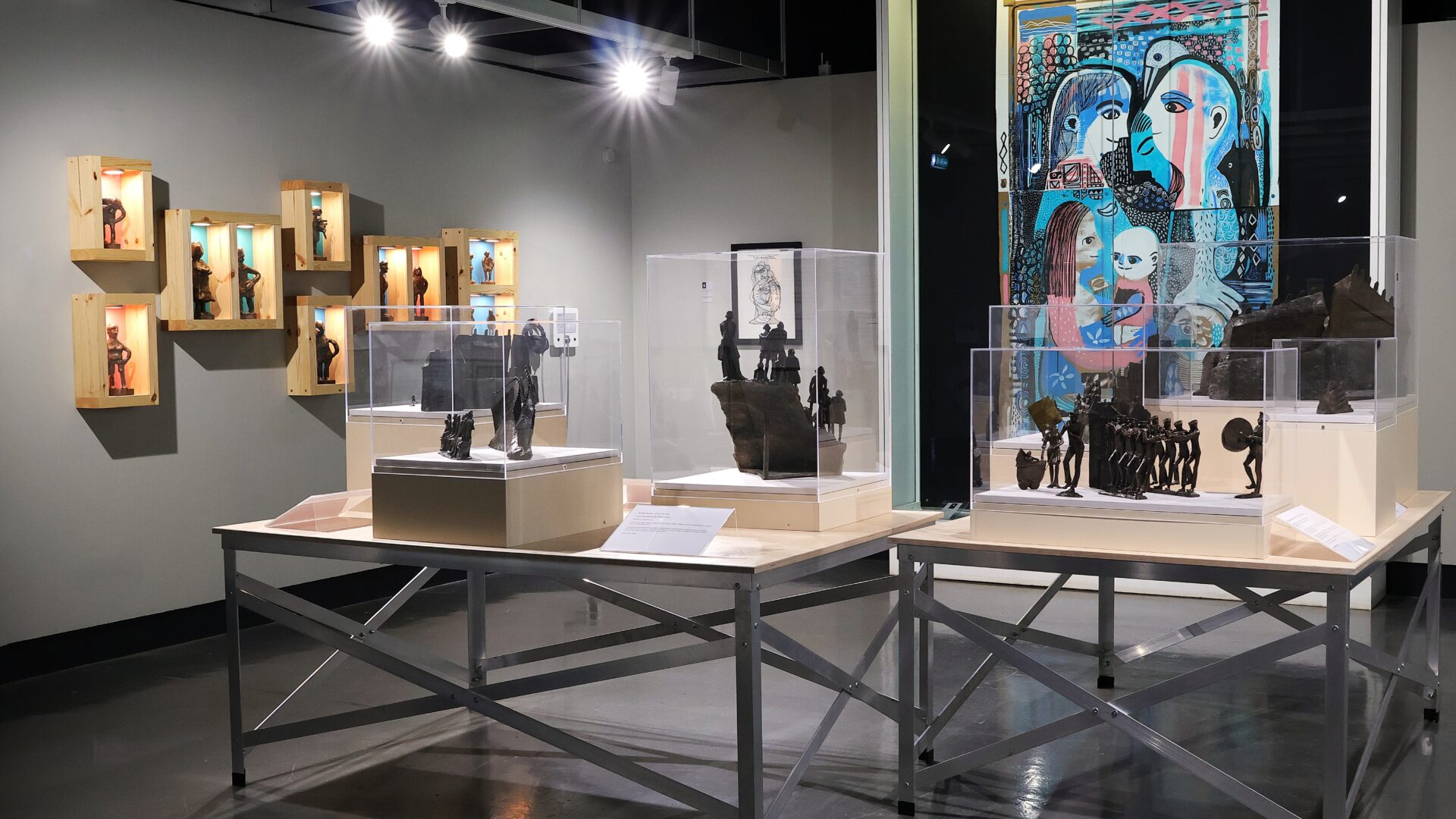
A remarkable collection of sculptures depicting life in a traditional Yorkshire mining village will be on display for the first time in more than two decades when a stunning new exhibition opens at the National Coal Mining Museum this October.
‘Villagers’, opening on Friday 23 October 2026, marks the centenary of Yorkshire born sculptor Betty Miller and brings together her celebrated work My Village in its entirety for the first time in over 20 years.
The exhibition will also showcase newly created artworks by contemporary artists Lenny & Whale, inspired by Miller’s iconic sculptures and the people and places of Royston, South Yorkshire.
The exhibition is the culmination of Sculpting the Community, an ambitious project led by the National Coal Mining Museum that places creativity, heritage and community storytelling at its heart.
At the centre of the exhibition is My Village, Betty Miller’s extraordinary collection of 32 bronze sculptures that vividly captures everyday life in the mining community where she grew up. Rich in detail and character, the work offers a powerful snapshot of Yorkshire’s coalfield communities and the people who shaped them.
Through a series of artist-led workshops with schools and community groups across Wakefield and Barnsley, by Lenny and Whale. Local people have explored their own stories, identities and experiences, creating new artworks inspired by Miller’s vision. These contemporary responses form part of the exhibition, creating a conversation between past and present and demonstrating how community heritage continues to inspire new generations.
The exhibition represents a rare opportunity to experience one of Yorkshire’s most significant sculptural works alongside brand-new artworks that reimagine Miller’s world through a modern lens.
Visitors to the exhibition will encounter a vibrant collection of sculptures made in ceramic, repurposed wood and cardboard, alongside a series of striking 2D and 3D drawings.
Artists Lenny and Whale spent time researching the local community, exploring the area and documenting its people and places through photography, sketches and observation. Their work brings to life the unique character, stories and personalities that make Royston special, offering a fresh and imaginative interpretation of the village that is both engaging and entirely original.
Made possible thanks to support from Arts Council England, National Lottery Funding the project aims to engage communities connected to mining heritage through high-quality visual arts experiences while fostering creativity, wellbeing and social connection.
The centenary exhibition also shines a spotlight on the achievements of Betty Miller, a talented sculptor, ceramist and educator whose distinguished career spanned the UK and Australia. Inspired by pioneering female artists including Barbara Hepworth, Miller’s work stands as an enduring testament to the creativity, resilience and spirit of Yorkshire’s mining communities.
Following its debut at the National Coal Mining Museum, Villagers will tour to venues including Royston Library and the Mining Art Gallery in Bishop Auckland, taking these stories and artworks to audiences across the country.
Lynn Dunning, CEO, National Coal Mining Museum for England said: “Sculpture is an important part of Wakefield’s identity and to showcase the incredible work of Betty, a Yorkshire artist is a real honour for the Museum. We have a stunning collection of artwork including sculpture in our collections and for ‘My Village’ to be seen for the first time in twenty years is very special. The detail and skill really in the work, really is something to be seen. Sculpting the Community has been an incredible project, it has made art and sculpture relevant and accessible to our communities, inspiring them to create their own amazing pieces of artwork.”